Ten Commandments Carved in /guildchat: What Separates Immortal Guilds from Forgotten Ones
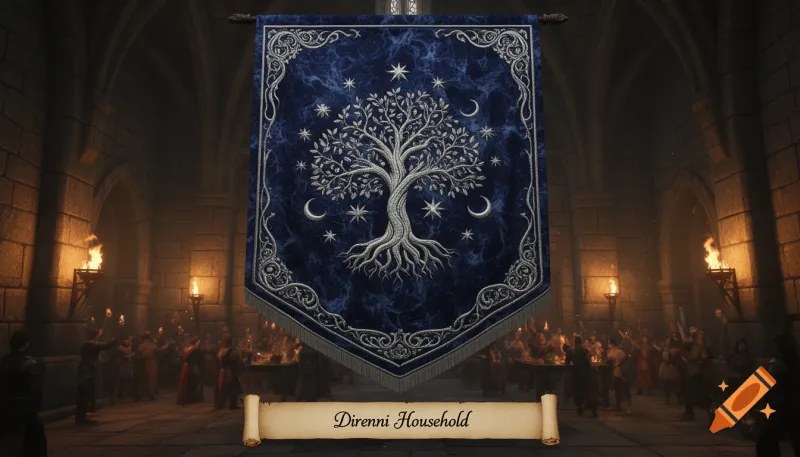
Photo: fantasy guild banner medieval hall torchlight, via media.craiyon.com
Somewhere in the vaults of Empyrea, there's a shelf of fictional tomes we reference constantly — and one of them, the Guild Codex, is the book every veteran raider wishes existed when they first accepted the officer role. So we went ahead and wrote it. Ten entries, part fantasy flavor, part hard-earned wisdom from guilds in WoW, FFXIV, and Elder Scrolls Online. Study it. Ignore it at your peril.
Codex Entry I: The First Spell Is a Roster Spell
Ancient guildmasters knew that magic alone doesn't win wars — people do. In modern terms: your roster is your mana pool, and if you spend it all on thirty warm bodies instead of fifteen committed ones, you'll fizzle out by month three.
The practical takeaway: Recruit slowly, vet thoroughly, and remember that a friendly player who logs in four nights a week beats a world-class parser who shows up once a month. Guild recruitment tools like your game's community finder or r/findaguild are fine for casting the line, but the interview is where you land the fish. Ask what they want from the guild. If their answer and your guild's answer don't rhyme, let them swim on by.
Codex Entry II: Let No Treasure Go Unclaimed Unjustly
Loot drama has killed more guilds than any raid boss ever coded. The old rule holds: distribute your spoils by a system everyone agreed to before the shiny dropped.
The practical takeaway: Whether it's loot council, soft reserve, or straight master looter, write it down, pin it in Discord, and apply it consistently — especially when the beneficiary is an officer. The moment exceptions appear, your DPS will start doing math in /whisper, and the math always ends in a guild quit.
Codex Entry III: The Council Shall Not Speak in Whispers
Every dying guild has the same ghost story: decisions made in a private officer channel, leaked, resented, repeated. The Codex demands transparency — or at least the appearance of it.
The practical takeaway: After officer meetings, post a short recap. "We're benching mythic progression this week because three raiders are traveling" defuses more anger than silence ever will. Players can handle bad news. What they can't handle is feeling like the story is being written without them.
Codex Entry IV: Honor the Idle Hours
Not every member raids. Not every member wants to. The guilds that endure treat their casuals like citizens of the realm, not peasants outside the castle walls.
The practical takeaway: Run events that don't require attendance tracking — a transmog contest, a low-key alt run, a FFXIV Ocean Fishing night, an ESO dungeon crawl for the newly returned. Casual members are your guild's culture. They're also the ones who quietly recruit friends and keep the Discord alive at 2 p.m. on a Tuesday.
Codex Entry V: The Raid Night Is Sacred, but the Sleeper Shall Not Be Executed
Real life outranks fantasy life. Always. The Codex is emphatic on this point.
The practical takeaway: Build your schedule around the reality that your raiders have jobs, kids, and the occasional flat tire. A guild that punishes a missed Tuesday with guilt-trips in officer chat is a guild with a burnout problem it hasn't diagnosed yet. Keep a bench of friendly subs, rotate when you can, and say "we'll catch you next week" like you mean it.
Codex Entry VI: No Herald Shall Bring War Into the Hall
Political arguments, real-world grievances, and vendettas against other guilds do not belong in guild chat. The Codex calls this "inviting the rot inside the walls."
The practical takeaway: Have a written conduct policy, enforce it evenly, and don't be afraid of the mute button. Moderating a guild isn't authoritarian — it's custodial. You're the one holding the broom.
Codex Entry VII: The Trial Period Is a Trial for Both
Every new member is a test recruit, yes — but they're also testing you. If your trial process is "throw them into a mythic raid and see if they complain," you'll keep failing tests.
The practical takeaway: Give trials a real welcome: a buddy, a clear checklist, a two-week check-in. In FFXIV, assign a mentor. In WoW, run a lower-key M+ with them before the big night. Trials who feel seen become veterans. Trials who feel like inventory become someone else's veterans.
Codex Entry VIII: Celebrate the Small Conquests
The guild that only cheers for the cutting-edge kill forgets to cheer for the first heroic clear, the first keystone at +15, the first wedding between two members who met in a dungeon queue. (It happens. We've officiated three.)
The practical takeaway: Screenshot the moment, post it in the #wins channel, name the achievement in the weekly announcement. Culture is built out of these small ceremonies, not the endgame loot.
Codex Entry IX: The Archive Shall Outlive the Adventurers
Guilds die. Rosters churn. But a guild with a memory — screenshots, kill videos, an old forum thread, an in-game chronicle — never fully disappears. It becomes legend, and legends recruit.
The practical takeaway: Keep a history channel. Pin your first kill. Record the funny wipes. When you hit your tenth anniversary (yes, it's possible), you'll want the receipts.
Codex Entry X: Know When to Hang Up the Banner
The final entry is the hardest. Some guilds should end — and the mark of a great leader is ending them with grace rather than letting them rot into a ghost town of offline icons.
The practical takeaway: If half your roster has moved on and the fire's gone, consider a merge, a handoff, or an honest farewell post. A dignified ending preserves friendships that will outlast any single game. And in twenty years, when you and your old officers are trading stories at a convention bar in Anaheim, that's the part you'll be glad you did well.
The Codex closes with a single line, and we'll leave you with it: "A guild is not a roster. A guild is a story people agree to keep telling." Tell yours well.