Last Call at the World's End: The Hidden Résumé of MMO Tavern Keepers
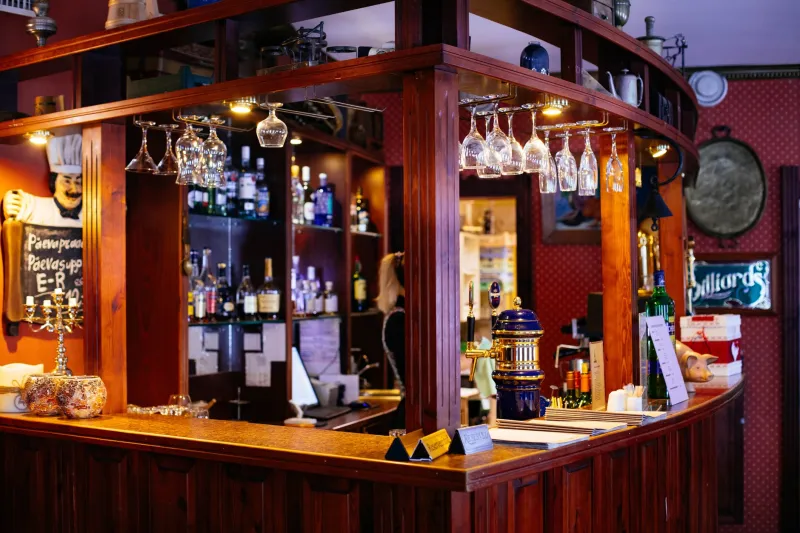
There's a corner of nearly every MMORPG where nothing gets looted, nothing gets leveled, and nobody checks the DPS meter. It's the tavern. And standing behind the bar, usually wearing an outfit that took three weeks of trading to assemble, is a player who will never appear on a leaderboard.
Ask them why, and you'll get an answer about atmosphere, or lore, or the simple joy of a crowded room. But spend enough evenings in these places and you start to notice something: the person pouring the virtual ale is running one of the most demanding jobs in the game. They just don't get paid in gold. They get paid in something rarer.
The Hardest Job Nobody Applied For
Running a roleplay tavern isn't just wearing a barmaid dress and saying "What'll it be, traveler?" It's scheduling events around three time zones' worth of players. It's remembering that the quiet rogue in the corner is going through a rough patch IRL and needs a gentle check-in. It's mediating the night two roleplayers got into an OOC argument about etiquette that threatened to split the whole regular crowd.
One tavern keeper I spoke with — she runs a popular inn on an RP server and asked to be known only by her character name, Maribel — put it plainly: "I've managed an actual coffee shop in Ohio for six years, and honestly? The tavern is harder. At the coffee shop, people can't dramatically storm out in character."
That's the joke, but it's also the point. The skills overlap so cleanly it's almost suspicious. De-escalating a bar fight between two guilds? That's customer service. Planning a seasonal masquerade that forty people actually show up to? That's event coordination. Keeping a regulars' roster, managing donations for the "inn fund," training new bartenders on house etiquette? Congratulations, you're running a small business with a fantasy skin on it.
From Fictional Bar to Real-World Paycheck
Here's what surprises people: these skills transfer. Hospitality managers, community coordinators, and event planners all do versions of the same work — and hiring managers are slowly catching on that "ran a 200-member roleplay community for four years" means something.
Think about what the job actually involves:
- Conflict mediation. When two players clash, the tavern keeper is the neutral party who talks both sides down before it hits the forums.
- Programming. Weekly trivia nights, bard open mics, holiday festivals — someone has to dream these up, promote them, and run them live.
- Onboarding. Every nervous new player who wanders in needing the social rules explained is a customer interaction, handled with patience.
- Budgeting. Even a pretend inn has costs, donations, and the eternal question of whether to expand the seating area.
Maribel told me her tavern work is literally on her resume now, listed as "community management." Her boss, she says, thinks it's a joke. It is not a joke.
Why We Keep Coming Back to the Inn
There's a reason the tavern is the emotional center of so much fantasy — from Tolkien's Prancing Pony to every innkeeper NPC who's ever said "welcome, traveler." It's the place where adventure pauses and people matter more than loot. Virtual tavern keepers are preserving that feeling, manually, one event at a time.
And in an era when so much of online life feels algorithmic and anonymous, a room where a person knows your character's name, your usual order, and the story arc you've been working through? That's hospitality in its oldest, truest form. The innkeeper's dilemma is that the work is invisible when it's done well. Consider this a small attempt to make it visible.
Next time you pass a lit window in the game and hear laughter inside, go in. Order something. Tip generously — in compliments. The person behind that bar is practicing a craft, even if the ale is made of pixels.
Last call, travelers. The real world could use more keepers like these.