Open House, Closed Wallet: The Social Economy of Fantasy Guild Halls

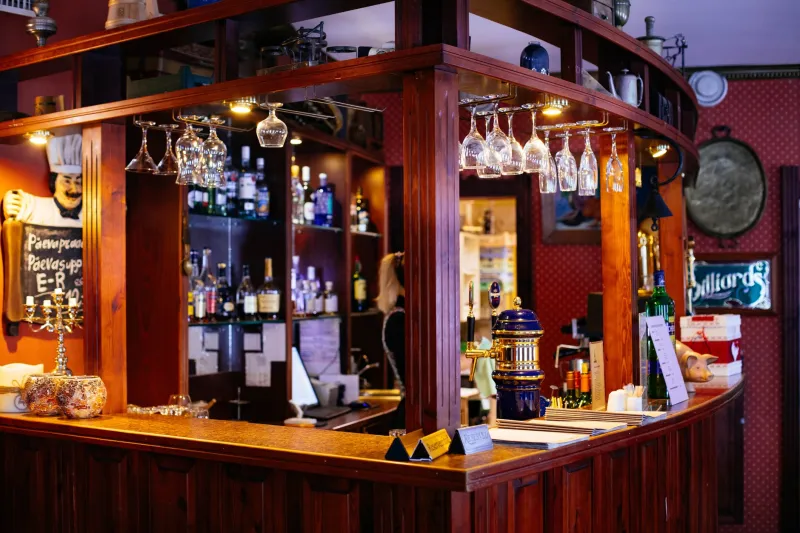
Photo: fantasy MMO guild hall interior ornate furniture glowing windows, via i.pinimg.com
Ask a guild leader what their hall cost and you will get a number. Ask what it is worth and you will get a story. That gap is where the fantasy real estate market lives.
On the surface, MMO housing is simple: claim a plot, place furniture, maybe hang a banner with your guild crest. In practice, it has become an economy with its own appraisers, its own curb appeal, and its own version of the homeowners association. Players tour each other's halls the way Americans tour open houses on a Sunday afternoon. They compare stonework. They whisper about the rare chandelier. They ask who did the landscaping. And then they go home and stare at their own unfinished foyer with the distinct feeling that they are behind on payments.
The Listing That Isn't a Listing
Fantasy property rarely comes with a Zillow page. It comes with a rumor. A guild secures a ward, a neighborhood, or a pocket dimension, and word travels through Discord faster than any multiple-listing service. Suddenly the hall is not just a hall. It is a location. It has a view. It has a reputation. It has a waiting list for visitors.
That is the first strange thing about MMO real estate: the asset is not the building. It is the audience. A mansion nobody visits is just expensive storage. A modest cottage on a busy lane, with a fountain out front and a tavern next door, can feel like prime property because players keep walking past it. Location in an instanced neighborhood is a fiction, of course. The server can copy the street a thousand times. But the social fiction is the one that matters. If the right guilds live nearby, the instance becomes a neighborhood. If they leave, the cobblestones might as well be cardboard.
Scarcity Wears a Velvet Rope
Guilds assign value the way players always have: through scarcity, labor, and bragging rights. A rare furnishing drop is not just a chair. It is a chair with a drop rate. A decoration commission is not just interior design. It is somebody else's raid night, spent arranging bookshelves so the fireplace looks intentional.
That labor has a price, even when no one types a number into a trade window. Decorators trade in gold, materials, favors, or the vague but powerful currency of 'I owe you one.' Some take real money for their time, which makes the whole thing feel less like a game and more like a weekend side hustle. Guilds budget for housing the way small organizations budget for events. There is a discretionary fund. There is a person who cares too much about chair placement. There is always one officer saying we should spend this on raid consumables instead.
And yet the foyer gets finished. It always gets finished.
The Decorator's Invoice
Here is where the bubble analogy gets interesting. A financial bubble usually involves leverage, speculation, and somebody eventually holding the bag. MMO housing has all three, just not in the way an economist would recognize.
The leverage is social. A guild invests reputation in a hall, invites allies for events, hosts role-play nights, and builds a name around the place. The speculation is aesthetic. Players gamble that a certain style, era, or color palette will read as prestigious rather than tacky. The bag is held by whoever volunteers to decorate the guild bank's airship and discovers, three weeks later, that they have become the permanent curator of a floating museum.
Prices rise because attention is finite. There are only so many players who can visit a hall, compliment the chandelier, and remember it. There are only so many decorators whose names carry weight. There are only so many plots near the popular gathering spot. The market is not really about square footage. It is about whose name is on the plaque.
Neighborhoods Made of Instances
American gamers know the language of housing anxiety by heart: starter home, curb appeal, good school district, bad commute. MMO housing borrows that language and strips out the mortgage. What is left is pure status signaling, which is somehow more honest and more absurd at the same time.
A guild hall with a grand staircase says we have officers who care. A hall with a cozy kitchen says we have role-players who stay in character. A hall with a taxidermied raid boss in the entryway says we have a tank who never logs off. None of these things affect damage output. All of them affect recruitment.
That is why the neighborhood matters even when it is instanced. Players want to live near the guilds that host events, the merchants who always have stock, the bards who actually perform instead of just standing on a mailbox. The address is not real. The proximity is. And proximity, as any American homeowner will tell you, is the one thing you cannot decorate your way out of.
The Bubble That Refuses to Pop
So who is actually pricing fantasy real estate? Not the developers, at least not entirely. They set the drop rates and the plot limits, but players set the meaning. A rare sofa is worth what a guild believes it says about them. A foyer is worth what visitors remember. A neighborhood is worth the gossip that keeps it lively.
The bubble may never pop because it was never fully financial. It is a social economy wearing a housing market's clothes. When the market cools, players do not foreclose. They just stop touring. They let the fountain run dry, move the rare chandelier to a new project, and tell themselves they will finish the east wing next season.
And honestly? That might be the healthiest housing market in America. No interest rates. No closing costs. Just a guild, a hall, and the quiet hope that somebody notices the effort you put into the entryway.